
Custom Non-Woven Tote Bag: The Ultimate Sustainable Branding Essential
2026-08-09
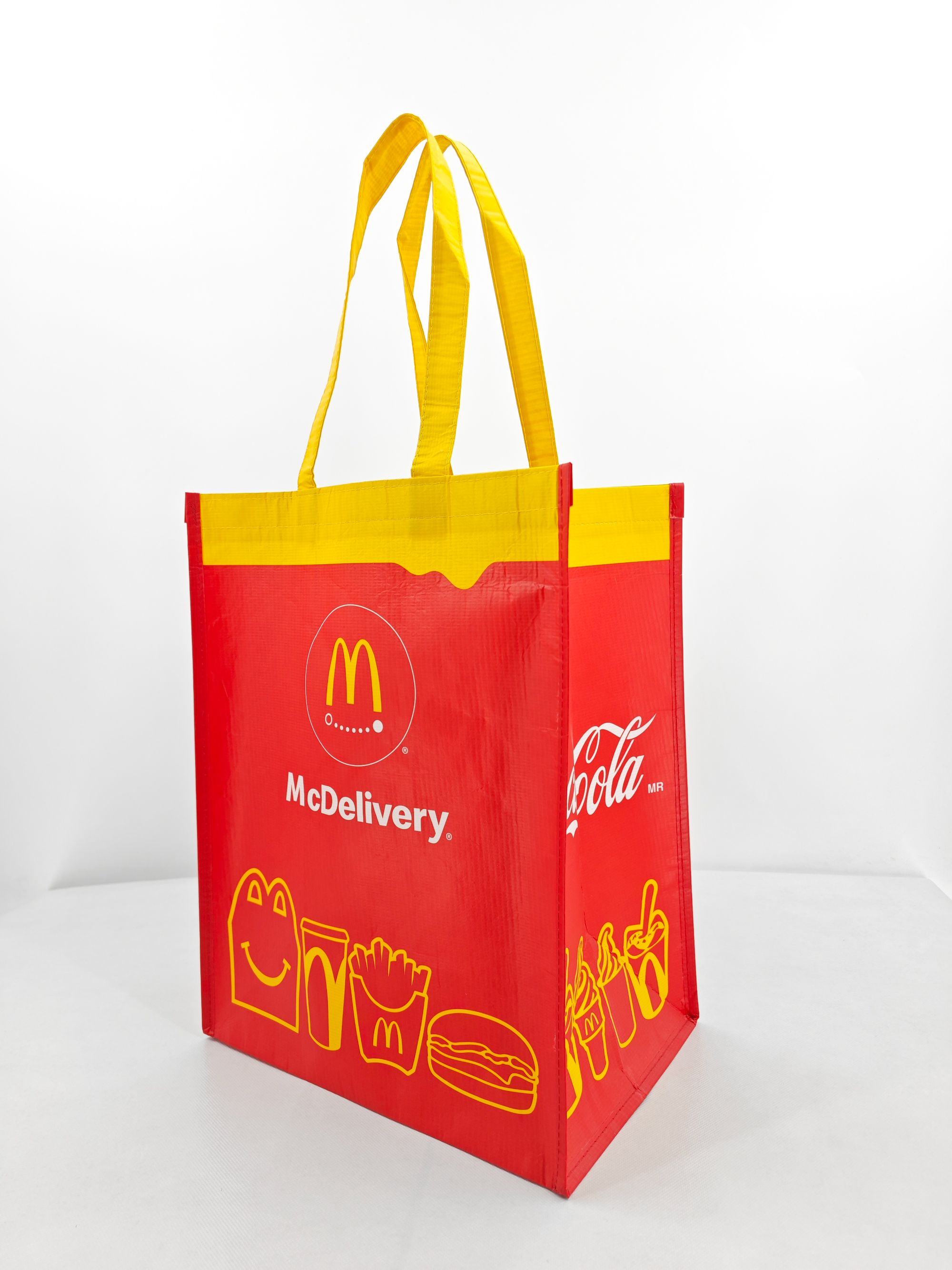
Looking for a way to make your brand stand out without costing the earth? A custom non-woven tote bag might just be the game-changer you need. At CHALLENGE WOLVES, we see these bags not just as carriers, but as walking billboards for your eco-friendly values. If you’re ready to blend practicality, sustainability, and clever marketing into one must-have item, read on.
Why Non-Woven Totes Are Quietly Reshaping Brand Visibility
Tucked under arms at farmers' markets or slung over shoulders during a morning commute, non-woven totes have slipped into daily routines without much fanfare. Unlike flashy billboards or pop-up ads, these bags move through the world as quiet, functional companions—carrying groceries one moment, gym clothes the next. Their ordinariness is precisely what makes them so effective: they become part of a person's habitat rather than an interruption to it.
What sets non-woven fabric apart is a subtle texture that catches light differently than glossy plastic or coarse canvas, lending a muted sophistication even to a simple logo. This material doesn't scream for attention; it earns it through repeated, low-key appearances. Over time, the brand mark on the side enters a viewer's memory the way a familiar street sign does—not through aggression but through gentle, undemanding presence.
Where other promotional items get discarded or forgotten in a drawer, these totes have a habit of lingering. They're lightweight enough to fold into a pocket yet durable enough to survive dozens of trips. That staying power translates into a slow-burn visibility that can't be bought with a single advertising sprint. In a landscape cluttered with loud messaging, the brands woven into these everyday objects find a way to be noticed without ever raising their voice.
The Material That Makes Your Logo Impossible to Ignore
When light hits your logo, it doesn’t just sit there. It leaps. It pulses. It grabs passersby by the collar and dares them to look away. That’s the power of microprismatic sheeting—a material engineered with microscopic, precision-cut prisms that bounce light back toward its source with almost unnerving intensity.
Unlike standard vinyl or painted surfaces, this material reacts dynamically to its environment. A logo cut from it appears to change depth and brightness as you move, creating a hypnotic effect that feels alive. It’s the same technology used on high-end safety gear, but when applied to branding, it turns something static into a statement.
Whether you’re dressing a storefront window, a vehicle fleet, or a trade show booth, a logo that refuses to be ignored changes the game. It doesn’t just mark your presence—it demands it. And in a world cluttered with visual noise, that’s not just smart design. It’s survival.
Eco-Conscious Doesn’t Have to Be Boring: Design Hacks That Actually Work
Sustainable design often gets a bad rap for being too serious, all muted tones and rough textures that feel more like a compromise than a choice. But it’s entirely possible to create a space that’s both earth-friendly and full of personality. The trick is to treat eco-consciousness as a creative challenge rather than a set of restrictions. Start by embracing color—vibrant, natural pigments and bold patterns can come from organic dyes and sustainably sourced wallpapers that tell a story. Layering textures like reclaimed wood, recycled glass, and organic cotton adds depth without sacrificing ethics. When you stop seeing “green” as a style limitation, it becomes a launchpad for something unique and alive.
One of the simplest hacks is to mix high-impact, low-waste pieces with sentimental or handmade items. Thrifted furniture, for instance, often has better bones than flat-pack alternatives and brings a sense of history that new things rarely match. Pair a secondhand velvet sofa with cushions made from deadstock fabric, and suddenly the room feels curated rather than compromised. Plants are another powerhouse—they purify the air and soften a room’s edges, but go beyond the basic potted fiddle-leaf fig. Think vertical gardens made from reclaimed pallets, or a hanging herb display in the kitchen using upcycled jars. These elements inject life literally and figuratively, proving that sustainability can be lush, not sparse.
Lighting and layout also play a huge role in functional, feel-good design. Maximize natural light with mirrors placed strategically, which reduces energy use and makes a space feel expansive. When artificial light is necessary, choose LED fixtures with sculptural shapes made from recycled materials—they become conversation starters. Finally, embrace multifunctionality: a sleek dining table that expands for guests, a storage ottoman that hides clutter, or a room divider that doubles as a bookshelf. These smart design moves keep your home adaptable and waste-free, subtly reinforcing that mindful living doesn’t mean living with less beauty. In fact, it often leads to more thoughtful, personal surroundings that you’ll genuinely love spending time in.
How a Simple Bag Became a Walking Billboard (Without the Noise)
In a world where ads scream from every screen and corner, a plain tote bag does something unexpected: it whispers. People carry it to the grocery store, to the gym, to a coffee date. There are no jingles, no pop-ups—just the quiet presence of a logo or a clever line, resting on someone’s shoulder. It moves through the day as a natural part of someone’s life, not as an interruption. The bag doesn’t fight for attention; it earns it by simply being useful. And in that utility, it becomes a messenger for the brand, one that people voluntarily take with them into the world, telling a story without ever raising its voice.
Unlike a digital ad that vanishes with a swipe, this fabric companion sticks around. It ages. The canvas softens, the colors fade just slightly, and somehow that wear makes the message feel more authentic, more personal. Neighbors see it at the farmer’s market, coworkers spot it slung over a chair. Each sighting isn’t a hard sell but a subtle nod—an unspoken endorsement from someone they trust. The bag breaks through the noise not by being louder, but by being part of the background, woven into daily rituals. It turns every passerby into an audience, and every owner into a quiet advocate, proving that sometimes the most powerful billboard is the one you can fold up and tuck under your arm.
The real magic happens when the design sparks a moment of connection. A simple illustration, a dry joke, a phrase that feels like an inside secret—it invites a glance, maybe a smile, from a stranger waiting in line. That fleeting exchange lingers longer than any banner ad ever could. Because the bag isn’t screaming a sales pitch; it’s starting a conversation that the carrier doesn’t even have to join. It’s an object that travels, building brand affinity one train ride at a time, without ever demanding a click, a view, or a follow. In stripping away the noise, it becomes the very thing we’re all subconsciously craving: something genuine, tangible, and refreshingly quiet.
From Event Handout to Daily Essential: The Real-World Tote Journey
Most of us remember the days when canvas totes were little more than conference freebies—thin, logo-plastered bags handed out by the dozen at trade shows and college fairs. They felt disposable, destined for a dusty corner or a quick trip to the recycling bin. But somewhere along the way, those humble giveaways shed their promotional skin and quietly slipped into our everyday lives.
The shift wasn't orchestrated by a big marketing campaign; it happened organically, driven by a collective change in how we think about convenience and waste. People started keeping a tote in their bag or car, discovering it could do more than a plastic bag ever could. It carried groceries, gym clothes, library books, and laptops with equal ease. The tote became a blank canvas for personal expression—slogans, art, and indie brand logos replaced corporate ones, turning a practical item into a statement of identity.
Today, the tote occupies a unique space. It's both a minimalist's tool and a maximalist's accessory, bridging the gap between fast-paced utility and slow-living ideals. Whether it's a sturdy organic cotton bag from a farmers' market or a worn-in souvenir from a favorite museum, the tote's journey from event handout to daily essential mirrors our own evolving relationship with the objects we carry and the stories they tell.
Small Tweaks That Turn a Freebie into a Coveted Brand Staple
It’s often the smallest adjustments that transform a handout into a must-have. When a freebie feels thoughtfully integrated with a brand’s identity, recipients perceive it as something special, not just another promotional item. A shift in material, a subtle design tweak, or even a touch of personalization can elevate the perceived value significantly.
Consider the power of quality over quantity. Instead of printing your logo on a cheap pen that will end up lost or discarded, invest in a well-crafted, durable object that people genuinely want to keep. Add a feature that makes it useful in daily life, and suddenly it becomes a staple they reach for repeatedly, reinforcing your brand every time.
Unexpected details also make a difference. A cleverly shaped tag, an inspiring message tucked inside, or packaging that doubles as a keepsake turns a simple giveaway into a conversation starter. These small touches create an emotional connection, making the item not just a freebie but a coveted part of someone’s everyday collection.
FAQ
They're crafted from recycled materials and can be reused countless times, cutting down single-use plastic waste while still offering a sturdy canvas for logos.
People carry them everywhere—grocery stores, gyms, commutes—turning every outing into a walking advertisement that feels organic, not pushy.
Absolutely. The spun-bond polypropylene fabric resists tears and handles heavy loads, often lasting years without fraying or losing shape.
You can pick from full-color printing, screen printing, or even embroidery. Sizes, handle lengths, and pocket additions let you match any brand aesthetic.
They need less water and energy to produce than cotton, and unlike single-use plastic, they're built for long-term reuse with a lower overall footprint.
Yes, most recycling centers accept them because they're made of polypropylene. Some brands even offer take-back programs to turn old bags into new ones.
They strike a rare balance—affordable to produce in bulk, yet perceived as a high-quality, thoughtful gift that people actually keep and use.
Simply wipe with a damp cloth and mild soap. Avoid machine washing and harsh chemicals to keep the fabric and print looking fresh for years.
Conclusion
Non-woven tote bags have shifted from a simple accessory to a quiet force in brand visibility. Unlike traditional cotton or plastic alternatives, the fabric's texture naturally highlights print details, making every logo sharp and impossible to overlook. Brands are finally catching on that sustainability doesn't mean sacrificing style—daring color blocks, minimalist line art, or even bold typography break the stereotype of boring eco-gear, turning each tote into a piece of wearable, functional art that people actually want to use.
These bags live a second life far beyond the event booth. They slip into daily routines as grocery companions, gym holdalls, or work carryalls, transforming into silent brand ambassadors wherever they go. The real magic lies in the subtle design tweaks: a well-placed inner pocket, a magnetic snap closure, or even a cleverly folded shape can elevate a free giveaway into a coveted staple that customers keep reaching for. In a world cluttered with disposable advertising, a thoughtfully crafted non-woven tote doesn’t just carry things—it carries a brand story for years.
Contact Us
Contact Person: Tony
Email: [email protected]
Tel/WhatsApp: +8615859766913
Website: https://www.cw-pak.com