
ODM Roll Up Door Options: Secure, Space-Saving Access for Busy Worksites
2026-11-27
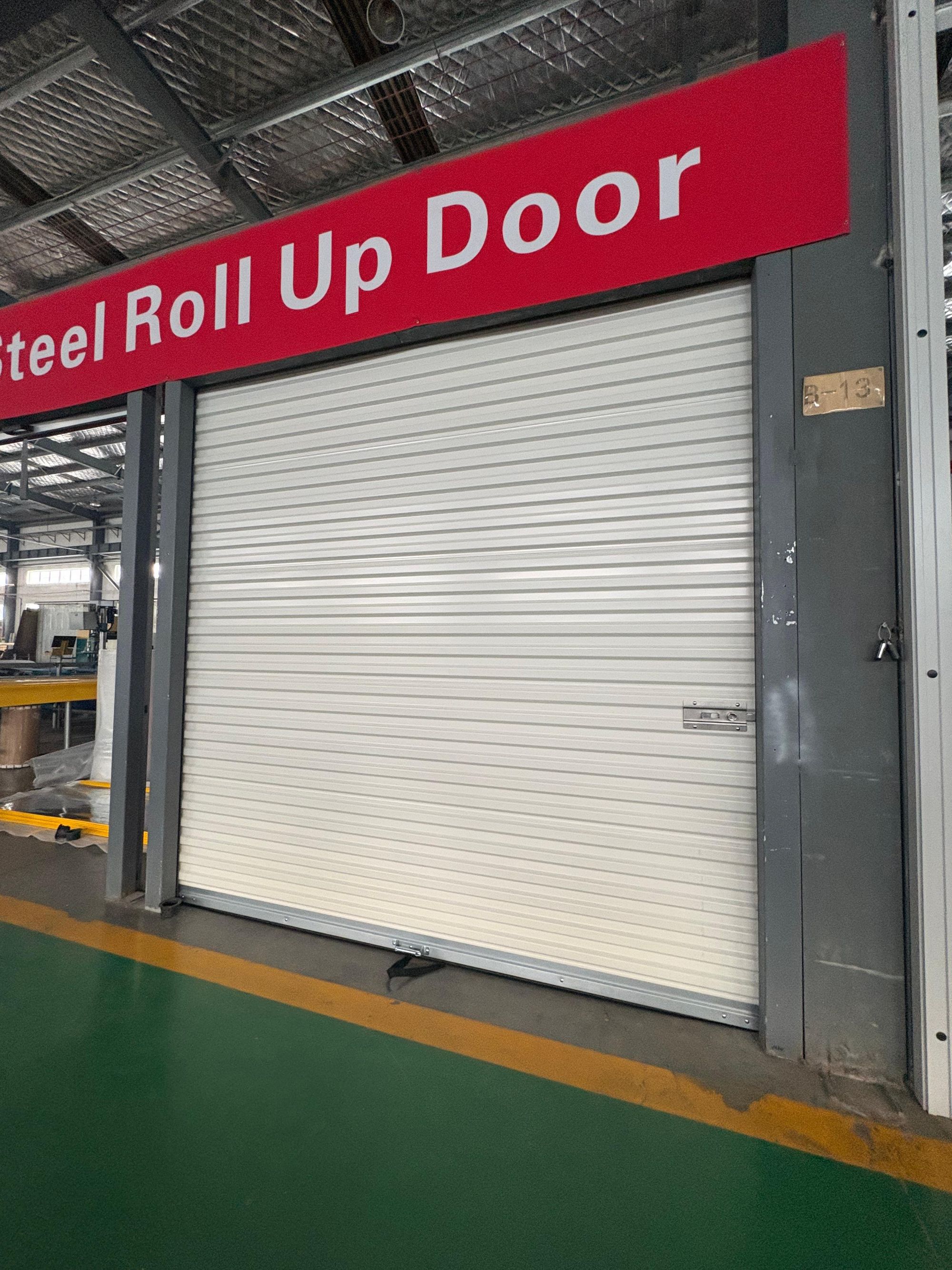
Busy worksites rarely reward complicated access. Every door has to stay secure, open without wasting time, and leave enough room for equipment and foot traffic to keep moving. That’s why ODM roll up door options have become a practical focus for facility managers and contractors alike. Instead of swinging doors that steal valuable space or slow down daily operations, these doors coil upward and out of the way. In this post, we’ll break down the features that matter most: durability under frequent use, locking reliability, and compact design. And if you’re comparing suppliers, NORTON provides roll up door solutions built to handle the pace of demanding job sites.
When Every Second at the Dock Counts
A delayed cargo transfer doesn't just push back a schedule—it ripples through an entire supply chain. At the dock, seconds add up fast. A crane that pauses too long for a container, a lashing crew waiting on paperwork, or a pilot boat arriving minutes late can mean the difference between making the tide window and missing it entirely. For port operators and vessel agents, the real challenge isn't just speed; it's coordinating dozens of moving parts without losing sight of the next vessel already waiting outside the breakwater.
Small inefficiencies rarely announce themselves. They hide in the gap between a truck's arrival and the start of unloading, or in the time it takes for a customs hold to clear after the gangway goes down. The most effective terminals treat these moments not as isolated delays but as linked events. When each handoff—from mooring line to shore crane, from hatch cover to quay conveyor—is timed with the next one in mind, the whole operation tightens. Crews stop waiting reactively and start anticipating the next move before the current one finishes.
That kind of rhythm doesn't come from luck. It comes from watching the dock like a living system: knowing which berth to open first, which equipment to stage where, and which signals to send before a vessel even touches the fender. For anyone running a tight schedule, the real question is never whether the dock can move faster. It's whether every second is being used with intent.
Security That Moves With Your Crew, Not Against Them
Most security tools treat every handoff as a checkpoint. This one treats it as background rhythm. Permissions shift when a teammate steps into a new project, files stay available on the devices they actually use, and access levels adjust without a ticket queue or an approval chain slowing things down.
The protection follows the work itself. When your crew moves between office, home, and client site, the same guardrails travel with them, quietly re-anchoring to each location and device. Nothing blocks a download or a shared link just because the IP address changed or the laptop is new.
That means fewer “can you approve this” interruptions and fewer workarounds. People get the access they need at the moment they need it, while risky actions still get flagged in real time. Security becomes part of the crew’s momentum instead of a wall they keep walking into.
Less Floor Space, More Usable Worksite
On cramped job sites, the footprint of a machine often decides what else can happen around it. Equipment with a shorter swing radius and a tighter tail swing leaves room for material stacks, truck access, and crew movement without forcing constant reshuffling of the work area.
That reduction in occupied ground does not come at the cost of reach or lifting ability. The practical benefit shows up when operators work beside walls, barriers, or existing structures and still keep the rear of the machine clear of obstacles. Fewer clearance conflicts mean less downtime and fewer interruptions to reposition access paths.
By the end of a shift, the difference is visible: more open ground for staging, smoother traffic flow, and fewer compromises about where equipment can park or pass. A compact footprint keeps the worksite feeling open and controlled even when several tasks are running at the same time.
The Right Track and Slat Combination for a Rough Environment
Rough environments punish standard hardware faster than most engineers expect. Moisture creeps into unsealed bearings, abrasive dust chews through roller surfaces, and temperature swings make cheap plastic components brittle. A track and slat combination built for these conditions starts with material selection: hardened stainless or coated steel resists corrosion and wear, while slats with reinforced edges hold their shape under constant impact. The real difference shows up months down the line, when ordinary systems need frequent adjustments and replacements, but the right pairing continues to move loads without complaint.
Beyond materials, geometry matters more than it first appears. Slats that interlock tightly leave less room for debris to wedge between moving parts, and tracks with self-cleaning grooves shed buildup before it hardens into a problem. In freezing workspaces, wider clearance tolerances prevent ice from locking the chain solid; in high-dust areas, sealed pin joints keep fine particles out. These design choices are rarely advertised, yet they separate equipment that survives a rough environment from equipment that quietly fails at the worst possible moment.
Operators who log hours in demanding conditions learn to read the wear patterns. A track that flexes slightly under heavy load tends to outlast a rigid one, because it distributes stress instead of concentrating it at a single point. Likewise, slats with a slight crown in the middle allow liquids to run off rather than pool and accelerate rust. Matching the right combination isn't about picking the most expensive option; it's about understanding exactly what the environment throws at the system and choosing features that answer those specific attacks.
Cutting Downtime With Doors That Handle Abuse
Most downtime isn't caused by the door that gets hit once. It's the door that gets clipped every shift, sags half an inch, and finally refuses to close on a Friday afternoon. That's the hidden cost of equipment that can't take routine abuse. Reinforced panels, impact-absorbing tracks, and heavy-duty rollers keep small hits from becoming shutdowns.
Maintenance teams know the pattern: a cheap door saves money upfront, then consumes it in service calls and delayed shipments. A door designed for punishment flips that equation. It takes the same collision and keeps moving, so operators don't have to stop, report, and wait.
The result is quieter than most people expect. No dramatic repairs, no scramble to reroute traffic. Just loading docks and warehouse openings that stay in operation long enough for crews to forget they used to worry about them.
Fitting Roll Up Doors Into Existing Structures Without Headaches
Retrofitting a roll-up door rarely goes exactly by the catalog drawing. Older walls have settled, floors have drifted out of level, and the opening that looked square on a tape measure often is not. Before mounting anything, check the header and side jambs with a long level or laser. If the floor slopes more than a quarter inch across the opening, plan for a tapered bottom seal or adjust the guide spacing rather than forcing the door into a bind.
The track brackets need solid anchoring, but existing framing does not always offer a clean nailing surface. Steel lintels, hollow block, or old timber can all behave differently once the door starts cycling. Use through-bolts or expansion anchors that match the substrate, and add flat steel plate where the jamb is soft. Dry-fit the tracks first and run the curtain by hand before final tightening so the door does not pull itself out of alignment on the first few cycles.
Allow some sideways adjustment at the barrel so the curtain does not rub one jamb after a week of use. If you are working around pipes, conduits, or uneven ceiling joists, build a simple sub-frame from square tube or angle instead of shimming every bracket individually. That usually saves more time than trying to make the old opening perfect, and it gives the door a stable reference point that the original structure may not provide.
FAQ
They coil above the opening instead of swinging out or running back on tracks, so the floor stays clear for forklifts, staging, and foot traffic. That often removes the need to rework the layout just to fit a door.
The slat construction and side guides are built to take repeated hits from pallets, hand trucks, and occasional vehicle contact. Routine inspections usually catch minor damage before it becomes a shutdown issue.
Yes, the range covers non-standard widths and heights, and the mounting details can be adjusted for limited headroom or side clearances. The key is supplying accurate site measurements early.
Most configurations include interlocking slats, reinforced bottom bars, and locking options that can be tied into an access control system. The track design also leaves very little room for prying from the outside.
They work well for that because the vertical lift is quick and the door does not occupy ceiling or wall space that might be needed for conveyors, ducts, or lighting.
There are fewer moving parts to adjust, but the coil, springs, and guides still benefit from a regular service schedule. In busy settings, a quick monthly check keeps operation smooth and extends the life of the door.
The required headroom depends on the door height and whether the coil sits inside or outside the opening. Planning for a clear coil area and straight side guides makes installation faster and reduces future wear.
Standard slats provide some separation, but insulated slats and tighter side seals are available when dust, drafts, or noise need to be reduced around the opening.
Conclusion
Dock crews rarely get the luxury of waiting for a slow door. ODM roll up doors are built around that reality, opening and closing at a pace that keeps loading cycles tight and trucks moving without the usual pause at the threshold. The security side does not translate into extra steps or barriers either; the door locks down after hours yet stays out of the way while the team is working. Because the curtain rolls vertically instead of swinging outward, it also removes the dead zone that sectional or panel doors often create. That saved floor space quickly becomes room for staging, forklift turns, or an extra pallet position, which matters more than many facility planners expect.
ODM's hardware choices are just as practical in harsh conditions. Tracks and slats are selected to match the actual exposure, whether that means wind, grit, moisture, or repeated hits from carts and forklifts. That fit reduces the kind of small damage that turns into a full door replacement later. When a roll up door does take a hard knock, the design is generally easier to service and get back into operation without pulling an entire crew off the dock. Retrofitting into older buildings also stays straightforward because the side tracks and barrel can adapt to existing openings with less cutting and structural rework. The result is access that feels secure and deliberate without adding friction to an already busy worksite.
Contact Us
Contact Person: Cyril He
Email: [email protected]
Tel/WhatsApp: 8613969697307
Website: https://cqyqgd.en.alibaba.com/