
OEM Stacking Door Solutions for Seamless Industrial Efficiency
2026-07-23
In today's fast-paced industrial environments, every second counts—and the right door can make all the difference. OEM stacking doors are redefining operational flow, offering rapid, reliable access without compromising space or safety. At the heart of this innovation is NORTON, a name synonymous with precision engineering and tailored solutions. But what truly sets a high-performance stacking door apart? This article explores the critical features and benefits that turn a simple opening into a strategic asset, and why choosing the right partner matters more than ever.
Custom-Engineered Stacking Doors for Specific Operational Demands
When off-the-shelf solutions fall short, we design stacking doors that align precisely with your operational flow. Every project starts with a deep dive into how your team moves, what machinery needs to pass through, and the environmental conditions the opening must withstand. This isn’t about tweaking standard sizes—it’s about engineering the panel articulation, track layout, and sealing mechanisms around your unique constraints. The result is a door that feels like an organic extension of your workflow, not a compromise forced by catalog limitations.
Our custom-engineered doors address niche requirements that generic products ignore. Need a combination of pass doors within the stacking panels for pedestrian traffic without disrupting full-open cycles? Or perhaps an asymmetric leaf configuration to accommodate overhead obstructions? We’ve built solutions for washdown environments requiring fully gasketed stainless steel stacks, aircraft hangars with staggered multi-directional openings, and pharmaceutical labs where pressure differentials demand labyrinth-sealed interfaces. Each system undergoes iterative virtual simulations before fabrication, ensuring that the final install integrates smoothly with building controls and safety interlocks.
What sets our engineering apart is the absence of unnecessary complexity. We match materials and gauges to the actual duty cycle—not overspec for the sake of marketing. If your operation runs 20 cycles a day, we don’t burden you with components rated for a thousand. The track geometry, carrier wheels, and drive systems are configured to reflect your real-world acceleration, coast-down, and stacking direction. This pragmatic approach eliminates over-engineering, reduces maintenance burdens, and yields a door that operates quietly and reliably for decades within its intended context.
High-Speed Door Dynamics That Keep Production Moving
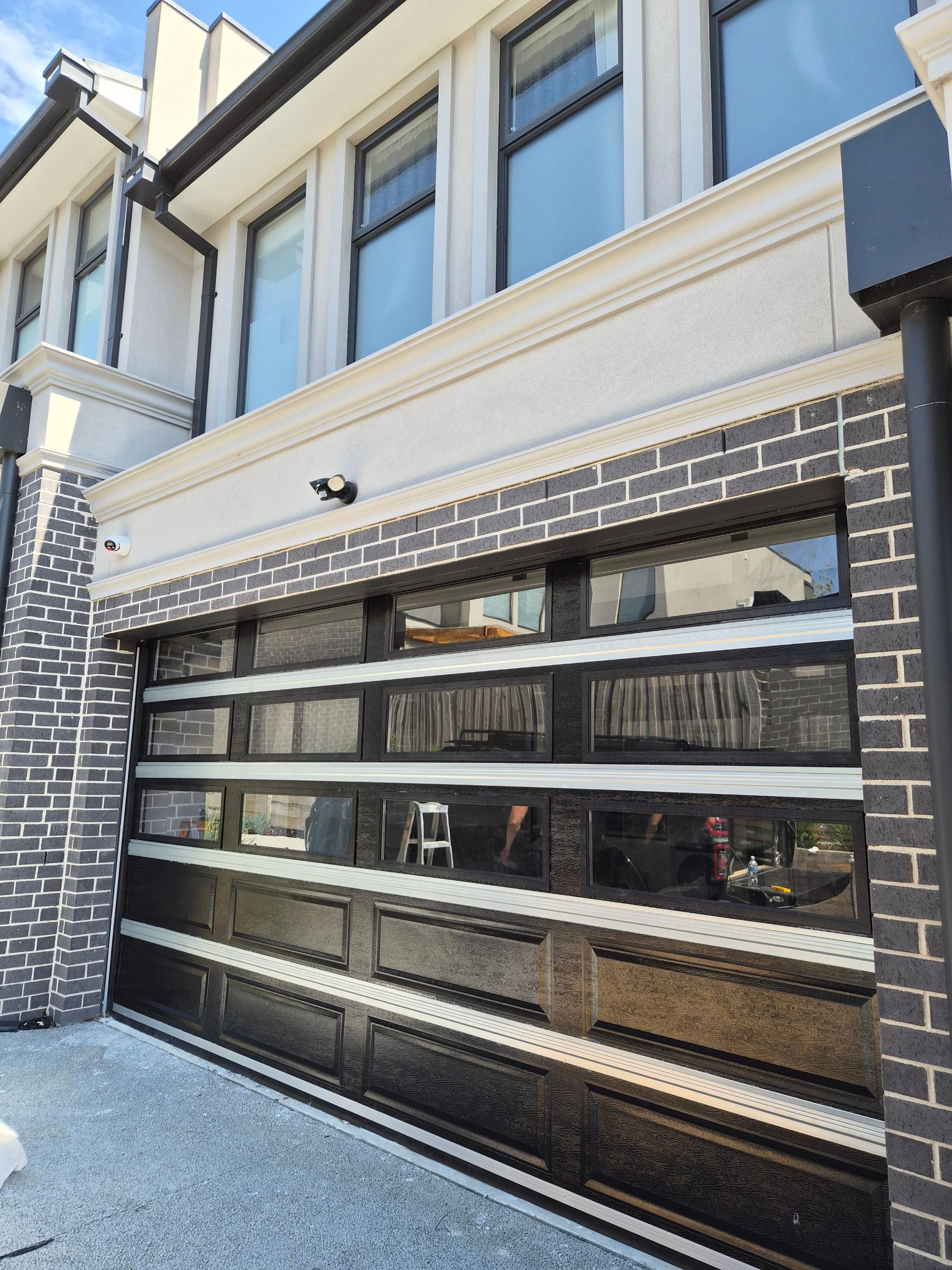
Production lines thrive on momentum, and every second a loading bay or cleanroom access point stands idle, that rhythm breaks. High-speed doors address this directly with opening speeds that outpace conventional roller shutters several times over. The direct-drive motors and lightweight curtain materials work in tandem to trim cycle times to fractions of a second. For sites handling temperature-sensitive goods or airborne contaminants, the reduced air exchange means climate control systems don't have to scramble to recover setpoints, which keeps energy waste low and product integrity intact.
Beyond raw velocity, the intelligence embedded in the door controls is what prevents bottlenecks. Radar- and lidar-based activation zones anticipate approaching forklifts or AGVs, triggering the door before the vehicle even brakes. Meanwhile, regenerative braking captures kinetic energy during descent and feeds it back into the system, lowering wear on mechanical brakes and cutting peak power draws. Combined with soft-start and soft-stop profiles, these doors glide open and shut so quietly that operators often forget they aren't walking through static framed openings—until they stop to realize how few interruptions they've dealt with during a shift.
Durability under constant cycling is another piece of the puzzle. Reinforced belt drives eliminate the slack and stretch common in chain systems, keeping motion crisp even after hundreds of thousands of cycles. Impact-activated reset mechanisms allow the curtain to break away if hit by a misplaced pallet, then snap back into position without tools or a maintenance call. This self-recovering design means a minor collision doesn't snowball into an hour of downtime, preserving the steady flow that high-throughput operations depend on.
Built to Last: Heavy-Duty Construction for Round-the-Clock Use
Every weld, bolt, and bracket in this machine tells a story of intentional engineering. The frame is forged from reinforced steel alloys that resist warping under thermal stress, while critical joints are double-sealed against moisture and dust—common culprits in early equipment failure. Unlike lighter competitors that show signs of fatigue after a few shifts, the substructure here is rated for continuous vibration at peak torque without compromising alignment. It’s not just about thickness; it’s about metallurgical choices that prioritize fatigue resistance over raw mass, allowing it to run cooler and longer.
We subjected prototypes to accelerated lifecycle testing that simulated 18 months of constant operation in abrasive environments, from fine silica dust to salt-laden air. The drive components endured 10,000+ hours of loaded cycling without bearing play exceeding factory tolerances. Protective coatings aren’t an afterthought—they’re chemically bonded to the substrate to prevent peeling even after impact from stray debris. Access panels for routine maintenance are gasketed with silicone that doesn’t cold-set, ensuring that after countless cycles, the seals remain supple and effective. This isn’t equipment you nurse along; it’s equipment that outlives your expectations.
Tight Sealing to Cut Energy Costs and Block Contaminants
A precision-engineered seal does more than just close gaps—it actively lowers your monthly energy bills while keeping unwanted particles at bay. By eliminating microscopic leaks around doors, windows, and ductwork, you stop conditioned air from escaping and block outdoor pollutants from seeping in. The result is a building envelope that works like a modern fortress: comfort stays locked inside, and external heat, moisture, and dust stay locked out.
Many property owners underestimate how quickly small air leaks add up. Over time, these openings force HVAC systems to work harder, leading to unnecessary wear and premature replacement. Advanced sealing technologies use durable materials that flex with temperature swings, maintaining a continuous barrier year-round. This approach not only preserves indoor comfort but also extends the lifespan of heating and cooling equipment—saving money on both repairs and replacements.
The contamination angle is just as critical. In industrial settings, tight sealing prevents cross-contamination between processing zones, ensuring product purity without requiring oversized filtration systems. Even in commercial offices, a proper seal blocks vehicle exhaust, pollen, and mold spores, contributing to a healthier indoor environment. When every opening is systematically addressed, you create a persistent defense that quietly performs its job, month after month, with zero ongoing attention.
Effortless Integration Into Existing Material Flow and Automation
Fitting new equipment into a running production line often feels like open-heart surgery—risky, time-consuming, and prone to complications. That’s why this system was built from the ground up to slip into your existing material flow without demanding a complete overhaul. Its compact footprint and smart mounting options let it nestle right between conveyors, robotic cells, or manual workstations, while standardized mechanical interfaces and common voltage requirements mean the physical installation is more “plug and play” than “tear down and rebuild.” You don’t need to reconfigure your entire layout or call in a team of integrators for weeks on end.
On the controls side, the system speaks the languages your factory already understands. It comes pre-loaded with communication profiles for the major industrial protocols, so it can exchange handshake signals, status updates, and production data with your PLCs, MES, or SCADA right out of the box. The setup wizard guides operators through mapping I/O points in minutes rather than days, and adaptive logic routines automatically adjust timing and sequencing to match the cadence of adjacent machines. The result is a process that starts blending into your line almost immediately, minimizing downtime and letting your team stay focused on throughput instead of troubleshooting integration headaches.
Simplified Serviceability That Minimizes Costly Downtime
Modern equipment design now prioritizes quick, intuitive access to critical components, drastically cutting the time technicians spend on routine checks. By engineering systems with tool-less entry points and clearly labeled, color-coded parts, maintenance becomes a straightforward task that even junior staff can handle confidently. This approach not only reduces the risk of human error during repairs but also brings equipment back online faster, preventing small issues from escalating into full production halts.
Smart diagnostic features further streamline serviceability by offering real-time alerts and step-by-step guidance right on the machine interface. Instead of relying on lengthy manuals or waiting for specialist support, operators can address alerts immediately, often resolving problems in minutes rather than hours. The result is a dramatic reduction in unplanned downtime and associated costs, keeping operations smooth and predictable without the need for constant expert intervention.
FAQ
OEM stacking doors minimize obstruction by folding neatly to the sides, allowing forklifts and personnel to move through wide openings without delay. Their robust build handles frequent use without faltering, which is exactly what busy facilities need.
They open and close swiftly, reducing the time spent waiting at entry points. Their design eliminates swinging arcs, so adjacent equipment and pathways stay clear, helping production lines maintain a steady rhythm.
Absolutely. The OEM approach means dimensions, panel configurations, and track systems can be tailored precisely to the space, whether it’s an extra-wide bay or a limited-headroom mezzanine.
When speed is critical, their rapid operation limits air exchange between zones. Pair them with insulated panels and tight seals, and you’ll notice fewer drafts and less strain on HVAC systems in climate-sensitive areas.
Stacking doors don't require overhead coiling space, making them ideal for facilities with ceiling conveyors or low overhead obstructions. They also tend to be quieter and offer clearer entryways when fully open.
With fewer moving parts exposed to dust and debris, maintenance becomes less of a chore. Components like bottom rollers and tracks are designed for easy replacement, so repairs happen fast and don't bring operations to a standstill.
Conclusion
OEM stacking doors transform industrial throughput by merging tailored design with rapid operation. These systems are engineered to match exact facility layouts, material dimensions, and traffic patterns, ensuring a perfect fit without compromising speed. High-performance drive mechanisms enable panels to open and close swiftly, slashing cycle times and eliminating bottlenecks at busy loading bays. Meanwhile, reinforced frames and impact-resistant panels withstand constant hits from forklifts and automated guided vehicles, keeping doors operational 24/7 with minimal wear.
Beyond speed and durability, energy efficiency and integration seal the deal. Advanced sealing profiles compress tightly against floors and side jambs, blocking drafts, dust, and noise — a critical advantage in food processing, cold storage, and cleanrooms. The doors interface seamlessly with existing conveyor systems, robotics, and warehouse management software through common industrial protocols, enabling fully automated workflows without custom coding. Maintenance is equally streamlined: modular components are accessible from floor level, and diagnostic indicators guide technicians to issues in seconds, drastically reducing service calls and downtime.
Contact Us
Contact Person: Cyril He
Email: [email protected]
Tel/WhatsApp: 8613969697307
Website: https://cqyqgd.en.alibaba.com/