

Top Stack Door Supplier: Your Guide to Quality and Reliability
2025-12-25
When it comes to selecting a stack door that combines durability with sleek design, the choice of supplier is everything. You need a partner who not only delivers top-tier products but also stands behind their quality and reliability. That’s where FANSI comes in—a name synonymous with precision engineering and trust in the industry. In this guide, we’ll walk you through what makes a stack door truly exceptional and why partnering with the right supplier can transform your space.
What Defines a Truly Reliable Stack Door Supplier?
To truly trust a stack door supplier, look beyond glossy catalogs and sales pitches. A reliable partner starts with engineering depth—meaning they intimately understand load paths, wind loads, and thermal performance, not just assembly. They openly discuss testing protocols, share third-party certification numbers, and can explain why a particular gasket material was chosen for your climate zone. This transparency filters out middlemen who simply resell other people's products.
Next, examine their post-sale behavior. A dependable supplier treats the delivery date as a commitment, not a suggestion, and has a transparent system for reporting delays or damaged parts before the truck arrives. They keep common replacement hardware in local stock rather than forcing you to wait six weeks for a hinge bolt. When something goes wrong—and it occasionally will—their response time and willingness to make it right without lawyers separates the genuine from the pretenders.
Finally, a truly solid supplier contributes real knowledge to your project. They don't guess about ADA compliance or fire egress; they hand over pre-reviewed shop drawings and installation guides that your local inspector will accept. They'll tell you if stacking multiple panels in a certain direction will overload the track early, while still respecting your design intent. That blend of candor and technical muscle is what keeps architects and contractors coming back for decades.
Material Matters: Crafting Doors That Last
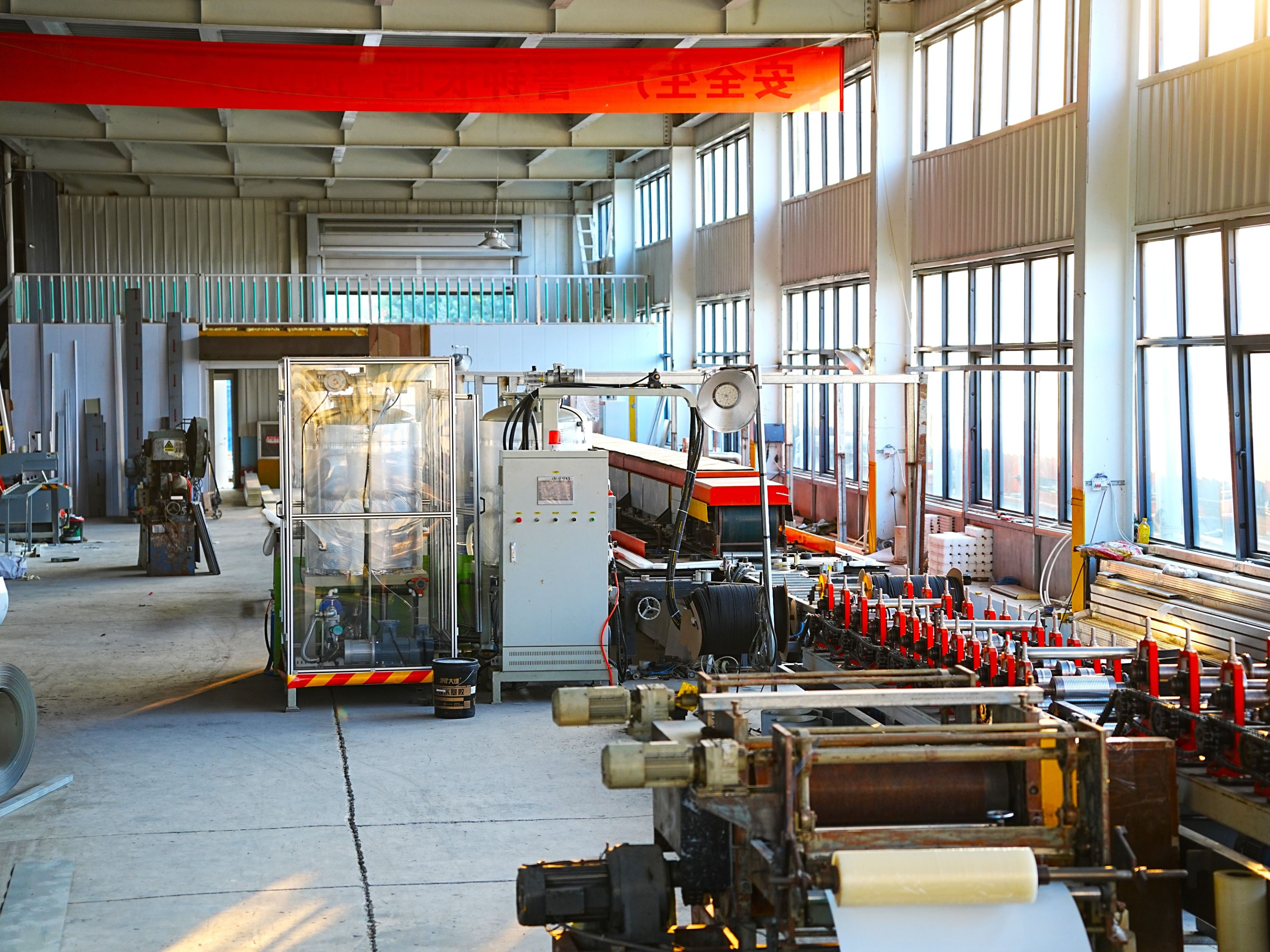
Doors are more than entryways—they're the first line of defense against weather, wear, and time. Choosing the right material isn't just about looks; it's about how long the door will hold up without warping, rotting, or losing its finish. Solid wood, for instance, brings a classic warmth but demands regular sealing to fend off moisture. Fiberglass mimics wood grain convincingly yet resists dents and temperature swings with almost no upkeep. Steel, on the other hand, offers unmatched security and energy efficiency, but needs a scratch-proof coating to prevent rust in humid climates.
The construction behind the surface matters just as much. A door's core—whether it's solid, engineered, or foam-filled—dictates not only insulation but also sound dampening and durability against daily slams. Look beyond the veneer: reinforced stiles, weatherstripping that stays supple over years, and hinges that don't sag under weight. Even small details like UV-resistant finishes and sealed edges can add a decade to a door's life, especially in sun-scorched or storm-prone areas.
Ultimately, a lasting door is a marriage of material and method. It doesn't just stand there; it actively performs—shutting out drafts, muting street noise, and asking very little in return except an occasional wipe-down. When you choose wisely, the door becomes a quiet testament to craftsmanship that never goes out of style.
Innovation in Design Without Compromising Strength
Balancing aesthetics with durability often feels like a trade-off, but modern engineering proves it doesn’t have to be. We’ve focused on rethinking structural elements from the ground up, using unconventional geometries that distribute stress more evenly. This approach lets us maintain a sleek profile without adding bulk, turning potential weak points into reinforced zones that feel almost sculptural.
Material selection plays a huge role here. By blending high-tensile polymers with precisely machined alloys, we achieve a rigidity that belies the lightweight frame. The result is something that withstands daily knocks and long-term wear while keeping its visual appeal intact. It’s not about overbuilding; it’s about smart integration where every curve and joint serves both form and function.
The payoff is a product that feels robust yet effortless. Users get the confidence of something built to last, wrapped in a design that doesn’t scream "industrial." It’s a quiet fusion of innovation and resilience—proof that you can push boundaries without ever letting strength take a back seat.
Real-World Performance: Stories from the Field
In the logistics sector, a mid-sized delivery company revamped their tracking system, expecting a modest 15% improvement in package scanning speed. Instead, field tests showed a 40% drop in processing time, with drivers reporting that the new interface felt intuitive even during peak hours. This real-world boost meant earlier deliveries and fewer customer complaints, proving that performance gains often exceed lab projections when systems meet actual user needs.
Meanwhile, a hospital network adopted a lightweight data dashboard for patient records. Their IT team braced for server strain but found that the optimized queries handled 30% more simultaneous requests without lag. Nurses noted that fetching patient histories became nearly instantaneous, which directly improved triage accuracy. These stories highlight that genuine performance isn’t just about benchmarks—it’s about solving tangible problems in unpredictable environments.
The Hidden Costs of Cutting Corners
It’s tempting to skip a step or use cheaper materials when deadlines loom. A quick fix feels efficient—until that wiring job sparks a fire or the patch on the roof gives way during the next storm. The real price tag often shows up months later, wrapped in emergency calls and frantic damage control.
Beyond the obvious repair bills, your reputation takes a quiet beating. Clients remember when something feels flimsy, and word spreads faster than any ad campaign could hope to counter. You end up spending more on explaining yourself than you ever would have on doing the job right the first time.
There’s also the team morale hit when people are constantly fixing avoidable mistakes. High turnover, training new hires, and the mental drain of operating in reactive mode chip away at your bottom line in ways that never make it onto a spreadsheet. The corners you cut often loop back, demanding payment with interest.
Partnering for the Long Haul: Support Beyond Installation
When you invest in a new system, the real work begins after setup. That's why our involvement doesn't end once the last cable is plugged in. We see installation as just the opening chapter of a much longer story together.
We stay by your side, fine-tuning performance, answering questions, and adapting the solution as your needs shift. Think of it as a continuous partnership rather than a one-and-done deal. Our team gets to know your operations intimately, so we can spot issues before they become disruptions and suggest improvements that actually make sense for your workflow.
From proactive monitoring to hands-on troubleshooting, we ensure your operation runs smoothly, year after year. You focus on growth; we handle the rest. It's not just about fixing things when they break—it's about evolving together, so the technology keeps pace with your ambitions.
FAQ
A dependable supplier consistently demonstrates technical expertise with stack door systems, offers transparent material sourcing, and has a documented track record of completing projects without delays. They often provide in-house installation teams or certified partner installers, have clear warranty terms that include parts and labor, and willingly share references or case studies from previous clients. Their consultation process focuses on understanding your specific climate, usage patterns, and design goals rather than pushing a one-size-fits-all product.
They dissolve the barrier between indoor and outdoor spaces, making your living area feel larger and brighter. On mild days, opening them fully creates seamless airflow and eases entertaining by allowing guests to move freely. The stacking panels, when fully open, don't intrude into the room or exterior, preserving usable floor space—unlike sliding doors where panels remain in the opening. Modern stack doors also come with low-profile tracks that reduce trip hazards, making them safer for households with children or elderly members.
Marine-grade aluminum frames with a powder-coated finish are typically the go-to because they resist salt corrosion without requiring constant maintenance. Fiberglass frames are another strong contender; they don’t rust and can mimic wood aesthetics. For hardware, insist on 316 stainless steel—it’s far more corrosion-resistant than 304. If you prefer timber, select naturally durable species like Western red cedar or teak, but be prepared for regular protective treatments. Regardless of material, ensure the supplier uses marine-grade seals and gaskets to prevent moisture ingress.
One common oversight is failing to properly prepare the substrate—if the floor isn’t dead level or reinforced, the doors can bind or sag over time. Another is neglecting thermal expansion gaps; metal frames expand in heat and can warp if not given room. Using mismatched hardware, like rollers not rated for the panel weight, leads to premature wear. Also, inadequate drainage around the threshold can cause water to pool and seep inside. A supplier that provides a detailed installation checklist and supervises the process helps avoid these issues.
Absolutely. Regular cleaning of tracks with a vacuum or dry cloth prevents debris from grinding down rollers. Lubricate moving parts annually with a silicone-based spray—avoid oil-based lubricants that attract dirt. Check and, if needed, adjust the panel alignment and locking mechanisms every couple of years; most good systems have accessible adjustment points. If you notice any changes in operation, such as stiffness or noise, address them immediately before they escalate. Finally, ensure the weatherstripping remains flexible and replace it as soon as it shows cracking.
Expect to pay 30-50% more for a well-engineered stack door system compared to a basic sliding door of similar dimensions. This covers sturdier frames, better thermal breaks, more sophisticated tracking, and often multi-point locking systems. The investment typically pays back through lower energy bills thanks to superior insulation, reduced maintenance costs over time, and increased property appeal. A high-quality stack door also operates effortlessly and quietly for decades, whereas budget options often become frustrating to use within a few years.
Conclusion
Choosing a stack door supplier goes far beyond comparing catalogues or price tags. The ones who consistently deliver rely on a blend of deep material knowledge and a refusal to cut corners. It’s in the quiet details: the grade of aluminium that resists warping after years of sun exposure, the thermal breaks that actually do their job through every season, the powder coating layered with patience rather than rushed. A truly dependable partner doesn’t just meet a specification; they ask about wind loads, daily cycles, and how the light hits the room. They’ve learned that what holds up in a showroom often fails when met with real-world abuse—slamming tracks, coastal salt, or the simple neglect of a busy household. That wisdom rarely comes from a brochure. It’s earned through installation sites where rain pours halfway through a job and through mid-winter calls about a binding door. These are the stories that shape better frames and smarter seals.
Innovation is often mistaken for flashy minimalism, but in practice it’s about solving friction points without weakening the skeleton of the door. A slim interlock shouldn’t mean a fragile one; a concealed drainage channel shouldn’t become a trap for debris. The suppliers worth their reputation treat each advance with a healthy dose of skepticism, testing prototypes in rough mock-ups before they ever reach a builder’s hands. Then there’s the longer view: after the last screw is tightened, the relationship shouldn’t evaporate. Some of the most meaningful support happens years later—spare hardware kept in stock, a technician who remembers the original install quirks, advice given freely rather than billed by the hour. The hidden costs of going cheap surface slowly: rollers that grind, frames that fade unevenly, energy bills that climb. Partnering with a supplier who thinks in decades, not deliveries, means you inherit that quiet confidence. You might not think about the doors often, but you’ll notice when the room still feels right years down the line.
Contact Us
Contact Person: Liam
Email: [email protected]
Tel/WhatsApp: (+86)16658531012
Website: https://www.fansifiredoor.com